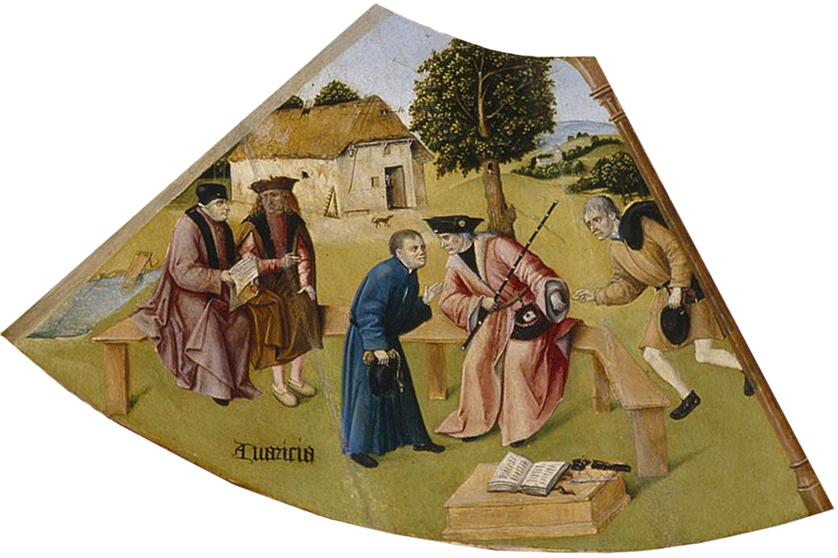
What a high Greed score looks like
A score of 9–12 usually means you check the numbers before you check the mood of the room. You notice who paid, you keep a buffer, and you would rather have three options than one good one. People often read this as coldness. Usually it is a memory of a time when there was nothing to fall back on.
Four everyday signs
- You can remember what you paid for things years ago.
- You feel uneasy when you cannot see the balance.
- You take the free sample, and a second one.
- You would rather own a thing than be seen with it.
What it is good for
Greed is the sin that keeps the lights on. It is why you have a buffer when a contract ends, why you read the contract at all, and why the group does not end up short on the bill. Every person you know who seems calm about money is running on a healthy amount of it.
Where it starts costing you
The first cost is enjoyment: if every nice thing gets converted back into a number, the nice thing stops working. The second is people — the friend who always ends up covering the difference eventually notices, and stops offering.
How it interacts with the other sins
Greed and gluttony look similar from outside but pull in opposite directions: gluttony spends, greed keeps. Greed with envy is the most corrosive pair on the test, because comparison turns keeping into a permanent scoreboard. Greed with sloth is unusually common — wanting more while doing very little to get it.
Take the 7 deadly sins test to get your own seven scores, then read gluttony and envy — the two that share the most questions with greed.